 admin
admin A wave of unrest swept through Nepal as thousands of young protesters rose in revolt against perceived government censorship and corruption. Dubbed the “Gen Z Revolution,” these demonstrations quickly escalated into violent clashes, resulting in multiple deaths and hundreds of injuries.
The Spark: Social Media Ban
In early September 2025, the Nepalese government imposed a sweeping ban on 26 social media platforms, including heavyweights like Facebook, WhatsApp, X (Twitter), Instagram, YouTube, and Reddit. The decision followed a mandate requiring social media companies to register with Nepal’s Ministry of Communications and Information Technology—a measure some viewed as necessary for oversight, but many others saw as censorship restricting free expression.
From Online Outrage to Street Uprising
Gen Z activists—tech-savvy and digital-first—had already been voicing frustrations online when the ban catalyzed real-world action. Despite internet and mobile disruptions, young Nepalis used alternative platforms to spread protest plans and slogans.
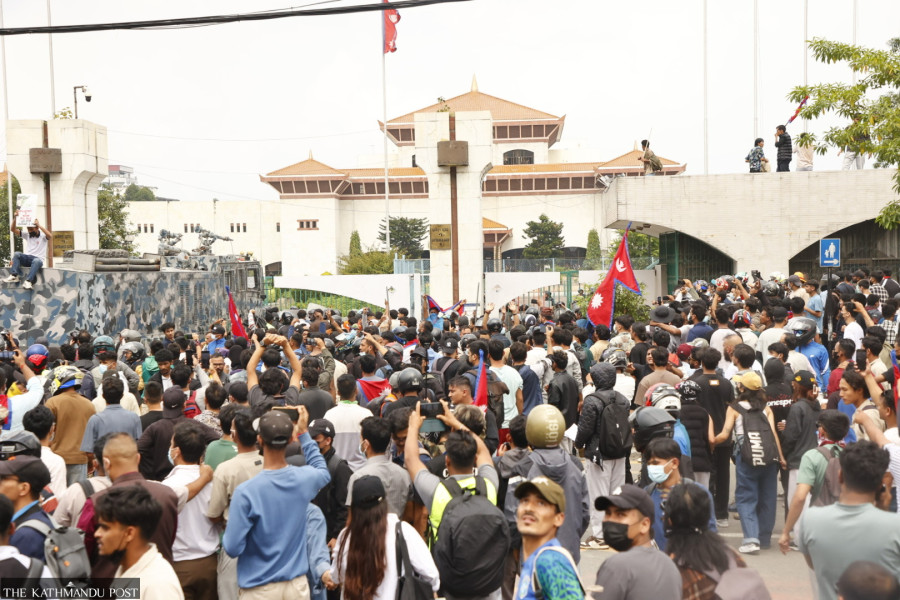
On the day of the protests, thousands gathered at Kathmandu’s Maitighar Mandala, many wearing school or college uniforms and carrying signs reading, “Independent voice is our right” and “Where has the taxpayers’ money gone?”
datatraxbiz.com | tradeinterweb.com | biztrendznow.com
successhubz.com | jetonfly.com
Clashes and Casualties
Tensions rapidly escalated as protesters breached barricades and attempted to storm the Parliament building. Security forces responded with tear gas, water cannons, and eventually live ammunition.
-
Reports confirmed at least 16 deaths and over 100 injuries during the clashes.
-
The Nepal Army was deployed, and a curfew was enforced around Parliament and other sensitive zones to regain control.
-
Shockingly, protesters also set fire to a Parliament gate, with thick black smoke billowing over the capital.
Videos from the protests showed tear gas canisters filling the air as demonstrators hurled branches and bottles at police in a scene of chaos.
Youth Frustration and Broader Discontent
While the social media ban sparked the protests, young demonstrators drew attention to deeper issues:
-
Corruption and Nepotism: Distrust ran deep amid unresolved scandals in the government.
-
Lack of Youth Representation: Gen Z expressed frustration at decisions being made without considering their voices or interests.
-
Economic Struggles: Rising inequality and joblessness fueled anger.
The protests were organized by youth-driven groups, many of which had gained popularity during past civic movements. This time, their ability to mobilize large numbers so quickly reflected how deeply discontent has spread among Nepal’s younger generation.
Government’s Stance
Prime Minister KP Sharma Oli defended the ban, calling it essential to prevent misuse of social platforms and to uphold national integrity. He emphasized that national independence outweighed the interests of a few.
According to the government, social media companies were warned well in advance and given a deadline to comply. Since none of the major platforms registered, the ban was enforced.
National and Global Implications
This unrest is not just about social media—it signals a deepening rift between Nepal’s youth and its leadership. The speed and scale of mobilization suggest that future public policy may be shaped by Gen Z’s growing political assertiveness.
-
Digital suppression may backfire, driving national unrest rather than containing it.
-
Civil liberties at risk: Human rights advocates warn that broad bans could erode democratic values.
-
International attention: With protests spreading beyond Kathmandu into other cities, the crisis is drawing global concern.
What Lies Ahead?
The situation remains fluid. With casualties mounting, the government’s response—particularly how it handles dissent—will be closely watched in the coming days.
Restoring trust will require the government to:
-
Reconsider overly broad restrictions
-
Address youth-centric issues such as jobs, education, and corruption
-
Engage in transparent dialogue with protest leaders
Without these steps, Nepal risks further destabilization and a widening generational divide.
This movement is not just a protest against a social media ban—it is a wake-up call from an entire generation demanding accountability, transparency, and a voice in shaping their country’s future.
