 Streamline
 The appointment of senior IAS officers in West Bengal has triggered a sharp political confrontation between the Congress and the BJP, with Congress leader Rahul Gandhi accusing the ruling establishment of rewarding officials linked to the election process. His controversial “chor bazar” remark has intensified the debate around the neutrality of constitutional institutions and the growing politicisation of bureaucracy in India.
The controversy erupted after former West Bengal Chief Electoral Officer Manoj Agarwal was appointed as the state’s new Chief Secretary, while retired IAS officer Subrata Gupta was named adviser to Chief Minister Suvendu Adhikari. Both officers had played important roles during the recent West Bengal Assembly elections and the Special Intensive Revision (SIR) exercise related to electoral rolls.
Congress leaders alleged that these appointments reflected a deeper nexus between the BJP and the Election Commission, while the BJP defended the decisions as administrative appointments based on experience and merit.
Rahul Gandhi’s Sharp Attack
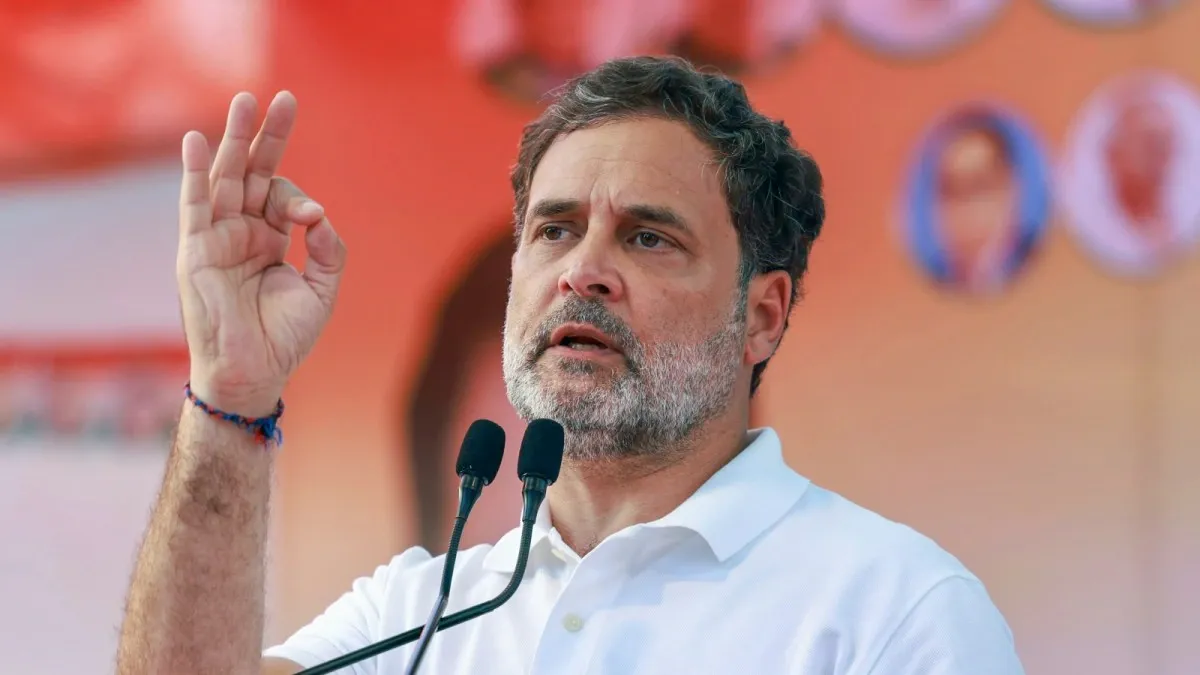
Leader of Opposition Rahul Gandhi took to social media to criticise the appointments in unusually strong language. Referring to what he described as a nexus between the BJP and the Election Commission, Gandhi remarked that in the BJP-EC “chor bazar,” the “bigger the theft, the bigger the reward.”
His comments were aimed directly at the appointments of Manoj Agarwal and Subrata Gupta shortly after the BJP formed the government in West Bengal under the leadership of Suvendu Adhikari. Gandhi’s criticism reflects the Congress party’s broader concerns about the functioning and impartiality of the Election Commission during recent elections.
The Congress has repeatedly alleged that electoral institutions are increasingly working in favour of the BJP. The latest appointments provided the party with another opportunity to sharpen its attack on the Centre and question the integrity of the electoral process.
Jairam Ramesh Raises Questions
Congress general secretary Jairam Ramesh also strongly criticised the appointments. He highlighted that Manoj Agarwal, a 1990-batch IAS officer, had overseen the 2026 Assembly elections in West Bengal as the Chief Electoral Officer before being elevated to the position of Chief Secretary.
Ramesh further pointed out that Subrata Gupta, another 1990-batch IAS officer who supervised electoral roll revisions and later served as a special observer during the elections, had now been appointed adviser to the Chief Minister. According to the Congress, these developments indicate “brazen collusion and connivance” between the Election Commission and the BJP.
The Congress also referred to allegations surrounding voter list revisions conducted before the Assembly elections. Party leaders claimed that a large number of voters were removed from electoral rolls during the SIR exercise, though these claims remain politically contested.
Administrative Reshuffle After Power Shift
The appointments came soon after the BJP assumed power in West Bengal, marking a major political shift in the state. Suvendu Adhikari became the first BJP leader to serve as Chief Minister of West Bengal after taking oath on May 9, 2026.
Following the formation of the new government, the administration initiated a significant bureaucratic reshuffle. Several officers associated with the previous administration were reassigned, while new appointments were announced in key positions.
Manoj Agarwal’s appointment as Chief Secretary was viewed as particularly significant because of his recent role as the state’s Chief Electoral Officer during a highly charged election season. Meanwhile, Subrata Gupta’s appointment as adviser to the Chief Minister attracted attention due to his involvement in election-related responsibilities and electoral roll monitoring.
Political analysts believe the controversy highlights the increasing overlap between administrative appointments and political narratives in contemporary Indian politics.
BJP Defends the Appointments
The BJP has rejected the Congress allegations and defended the appointments as routine administrative decisions. Supporters of the new West Bengal government argue that both Manoj Agarwal and Subrata Gupta are experienced officers with extensive administrative expertise.
Officials associated with the new administration reportedly credited Gupta and Agarwal for ensuring peaceful conduct of elections in the state. Election observers and administrative circles noted that the Assembly polls witnessed relatively limited violence compared to previous elections, which the BJP claims demonstrates the efficiency of the officers involved.
Chief Minister Suvendu Adhikari also suggested that capable officers who were sidelined under previous administrations deserved an opportunity to contribute to governance.
Debate Over Institutional Neutrality
The row once again raises larger concerns about the independence of constitutional institutions in India. Opposition parties have frequently accused the Election Commission and investigative agencies of acting in ways that benefit the ruling establishment, while the BJP maintains that such allegations are politically motivated.
Critics argue that immediate appointments of officials associated with election management to top government positions create perceptions of conflict of interest, even if no wrongdoing is legally established. Supporters, however, insist that experienced bureaucrats should not be denied administrative roles merely because they were involved in election duties.
The controversy has therefore evolved beyond a simple bureaucratic reshuffle into a wider political debate about transparency, accountability, and public trust in democratic institutions.
Political Battle Likely to Intensify
With West Bengal continuing to remain one of India’s most politically charged states, the issue is expected to remain a major talking point in national politics. The Congress appears determined to use the controversy to reinforce its narrative about alleged institutional bias, while the BJP is likely to portray the criticism as an attempt to undermine capable administrators.
As political rhetoric intensifies, the appointments of Manoj Agarwal and Subrata Gupta have become symbolic of the larger confrontation between the Opposition and the ruling party over the functioning of India’s democratic machinery.
TrendoPR TrendoPR TrendoPR TrendoPR TrendoPR TrendoPR TrendoPR TrendoPR TrendoPR TrendoPR TrendoPR TrendoPR TrendoPR TrendoPR TrendoPR TrendoPR TrendoPR TrendoPR TrendoPR TrendoPR TrendoPR TrendoPR TrendoPR TrendoPR TrendoPR TrendoPR TrendoPR TrendoPR TrendoPR TrendoPR TrendoPR TrendoPR TrendoPR TrendoPR TrendoPR TrendoPR TrendoPR TrendoPR TrendoPR TrendoPR TrendoPR TrendoPR TrendoPR TrendoPR TrendoPR TrendoPR TrendoPR TrendoPR TrendoPR TrendoPR TrendoPR TrendoPR TrendoPR TrendoPR TrendoPR TrendoPR TrendoPR TrendoPR TrendoPR TrendoPR TrendoPR TrendoPR TrendoPR TrendoPR TrendoPR TrendoPR TrendoPR TrendoPR TrendoPR TrendoPR TrendoPR TrendoPR TrendoPR TrendoPR TrendoPR TrendoPR TrendoPR TrendoPR TrendoPR TrendoPR TrendoPR TrendoPR TrendoPR TrendoPR TrendoPR TrendoPR TrendoPR TrendoPR TrendoPR TrendoPR TrendoPR TrendoPR TrendoPR TrendoPR TrendoPR TrendoPR TrendoPR TrendoPR TrendoPR TrendoPR TrendoPR TrendoPR TrendoPR TrendoPR TrendoPR TrendoPR TrendoPR TrendoPR TrendoPR TrendoPR TrendoPR TrendoPR TrendoPR TrendoPR TrendoPR TrendoPR TrendoPR TrendoPR TrendoPR TrendoPR TrendoPR TrendoPR TrendoPR TrendoPR TrendoPR TrendoPR TrendoPR TrendoPR TrendoPR TrendoPR TrendoPR TrendoPR TrendoPR TrendoPR TrendoPR TrendoPR TrendoPR TrendoPR TrendoPR TrendoPR TrendoPR TrendoPR TrendoPR TrendoPR TrendoPR TrendoPR TrendoPR TrendoPR TrendoPR TrendoPR TrendoPR TrendoPR TrendoPR TrendoPR TrendoPR TrendoPR TrendoPR TrendoPR TrendoPR TrendoPR TrendoPR TrendoPR TrendoPR TrendoPR TrendoPR TrendoPR TrendoPR
