 Seth
Seth 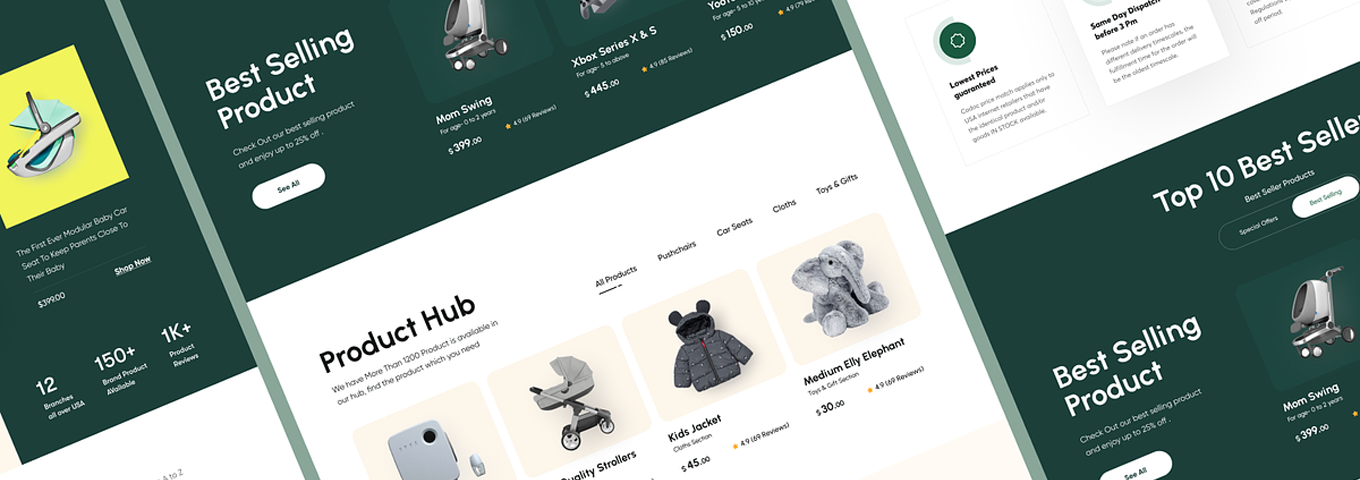
Introduction
In today’s digital landscape, nonprofits are increasingly recognizing the value of e-commerce platforms like Shopify to amplify their missions and reach broader audiences. While traditional fundraising methods remain vital, online shopping presents an innovative avenue for generating revenue and engaging supporters. This article will explore how nonprofits can effectively utilize Shopify to create impactful online stores, drive donations, and foster community engagement. We will cover best practices for setting up a Shopify store for a nonprofit, strategies for promoting your mission, and tips for enhancing donor experience.
Understanding the Nonprofit Landscape
The Role of Nonprofits
Nonprofit organizations play a crucial role in addressing social, environmental, and economic challenges. They rely on donations, grants, and fundraising activities to sustain their operations and implement programs that benefit communities. However, as funding sources evolve, nonprofits must adapt to new strategies that leverage technology and e-commerce to diversify their revenue streams.
The Shift Towards E-Commerce
The COVID-19 pandemic accelerated the adoption of online fundraising and e-commerce, prompting many nonprofits to explore digital avenues for support. Online shopping allows organizations to reach a wider audience and engage supporters in meaningful ways, all while providing convenient opportunities for giving.
Setting Up Your Shopify Store for a Nonprofit
Step 1: Defining Your Mission and Goals
Before diving into the technical aspects of setting up your Shopify store, it’s essential to clarify your mission and objectives:
- Articulate Your Mission: Clearly define what your nonprofit stands for and the impact you aim to achieve. This mission should guide all aspects of your online presence.
- Set Specific Goals: Determine what you hope to accomplish through your Shopify store. This could include raising funds, increasing awareness, or expanding your donor base.
Step 2: Choosing the Right Shopify Plan
Shopify offers various pricing plans tailored to different needs. Nonprofits can benefit from specific features, so consider the following:
- Basic Shopify: A suitable option for new organizations starting their online fundraising journey, offering essential features for setting up an online store.
- Shopify: Provides additional features that may benefit growing nonprofits looking to enhance their fundraising efforts.
- Shopify Plus: For larger organizations with complex needs, this plan offers advanced customization and scalability.
Step 3: Designing Your Store
A visually appealing and user-friendly store can significantly impact your fundraising success. Here are key design considerations:
- Choose a Theme: Select a Shopify theme that reflects your nonprofit’s mission and values. Consider using themes that highlight storytelling, as they can emotionally engage visitors.
- Use High-Quality Imagery: Incorporate compelling images that illustrate your work and mission. Visual storytelling can inspire visitors to connect with your cause.
- Create Clear Navigation: Ensure your store is easy to navigate. Organize products or donations into categories and use clear calls to action to guide visitors.
Step 4: Adding Products and Donation Options
In a nonprofit Shopify store, products can range from merchandise to donation options. Consider the following:
- Merchandise: Sell branded items such as t-shirts, mugs, or tote bags. Ensure that each product’s description highlights how proceeds support your mission.
- Donation Options: Implement a straightforward way for supporters to donate. Shopify allows for customizable donation forms, enabling donors to choose their contribution levels.
- Recurring Donations: Consider offering an option for recurring donations. This can provide a steady revenue stream and encourage long-term supporter engagement.
Promoting Your Nonprofit Mission
Step 1: Leveraging Social Media
Social media platforms are powerful tools for promoting your nonprofit and driving traffic to your Shopify store:
- Share Your Story: Use social media to share stories about your work and the individuals or communities you serve. Highlight the impact of donations and merchandise sales on your mission.
- Engagement Campaigns: Create campaigns that encourage followers to engage with your content. Use polls, questions, and live videos to foster a sense of community and involvement.
- Influencer Partnerships: Collaborate with local influencers who align with your mission. Their endorsement can help amplify your reach and attract new supporters.
Step 2: Utilizing Email Marketing
Email marketing is a cost-effective way to communicate with your supporters and keep them informed about your mission:
- Build an Email List: Use sign-up forms on your Shopify store to collect email addresses. Offer incentives, such as exclusive content or discounts, to encourage sign-ups.
- Segment Your Audience: Tailor your email campaigns based on supporter interests and engagement levels. This personalization can improve open rates and overall engagement.
- Regular Updates: Send regular newsletters that highlight your nonprofit’s achievements, upcoming events, and fundraising campaigns. Keep your supporters informed and engaged.
Step 3: Creating Compelling Content
Content marketing can establish your nonprofit as an authority in your area of focus and engage your audience:
- Blogging: Start a blog that shares stories about your impact, educational resources, and updates on your initiatives. This content can help build trust and encourage donations.
- Video Content: Use video to showcase your work, share testimonials, or provide updates on projects. Video is an engaging medium that can convey emotion and urgency.
- User-Generated Content: Encourage your supporters to share their experiences related to your mission. Highlighting their stories can create a sense of community and encourage further engagement.
Engaging Donors and Supporters
Step 1: Personalizing the Donor Experience
Creating a personalized experience for your donors can enhance their engagement and loyalty:
- Thank You Messages: Send personalized thank-you messages to donors after each contribution. Acknowledge their support and explain how their donation will make a difference.
- Recognition Programs: Implement recognition programs that highlight top supporters on your website or in newsletters. This fosters a sense of belonging and encourages continued giving.
Step 2: Offering Incentives
Providing incentives can motivate supporters to donate and engage with your nonprofit:
- Exclusive Merchandise: Offer exclusive items to donors who contribute above a certain amount. This can create a sense of exclusivity and enhance donor satisfaction.
- Membership Programs: Consider implementing a membership program that offers special perks, such as access to events or behind-the-scenes content. This encourages ongoing engagement.
Step 3: Building Community Connections
Fostering connections within your community can enhance your nonprofit’s reach and impact:
- Host Events: Organize online or in-person events that bring supporters together. These events can include workshops, fundraisers, or community service days.
- Collaborate with Local Businesses: Partner with local businesses to create mutually beneficial fundraising initiatives. For example, a percentage of sales could be donated to your nonprofit.
Measuring Success and Adapting Strategies
Step 1: Tracking Key Performance Metrics
To optimize your Shopify store and fundraising efforts, it’s essential to track key performance indicators (KPIs):
- Sales Data: Monitor sales data to identify trends and popular products. This information can inform inventory management and marketing strategies.
- Traffic Sources: Analyze where your website traffic is coming from. Understanding how supporters find your store can help you refine your marketing efforts.
- Donor Retention Rates: Measure how many donors return to support your nonprofit. High retention rates indicate strong engagement and satisfaction.
Step 2: Gathering Feedback
Collecting feedback from your supporters can provide valuable insights:
- Surveys: Send surveys to gather input on your fundraising initiatives, store experience, and communication efforts. Use this feedback to make informed improvements.
- Engage with Reviews: Encourage supporters to leave reviews or testimonials about their experiences. Responding to this feedback demonstrates your commitment to improvement.
Step 3: Staying Adaptable
The nonprofit landscape is constantly changing, and being adaptable is crucial for success:
- Monitor Trends: Stay informed about trends in the nonprofit sector and e-commerce. This knowledge can help you anticipate changes and adapt your strategies accordingly.
- Experiment with New Approaches: Don’t hesitate to try new marketing strategies or fundraising methods. A/B testing can help determine what resonates best with your audience.
Future Trends in Nonprofit E-Commerce
Enhanced Use of Technology
The integration of technology in the nonprofit sector will continue to evolve. Nonprofits will increasingly utilize advanced analytics, artificial intelligence, and automated tools to enhance donor engagement and streamline operations.
Focus on Transparency and Impact
Donors are becoming more discerning about where their money goes. Nonprofits that prioritize transparency about their finances and the impact of donations will build trust and foster long-term relationships with supporters.
Community-Centric Approaches
As the importance of community engagement grows, nonprofits will focus on building stronger relationships within their communities. This includes collaborating with local organizations and involving community members in decision-making processes.
Conclusion
Shopify provides nonprofits with a powerful platform to enhance their fundraising efforts, connect with supporters, and amplify their missions. By setting up an engaging online store, promoting their cause through effective marketing strategies, and fostering community connections, nonprofits can thrive in the e-commerce landscape. As the digital world continues to evolve, nonprofits that embrace innovation and adaptability will be better positioned to drive meaningful change and make a lasting impact. By leveraging Shopify, your nonprofit can not only raise funds but also build a community of engaged supporters committed to your cause.
By continuously refining your strategies based on data-driven insights and community feedback, you can ensure your nonprofit remains relevant and impactful. The journey of transformation into the digital space can open new doors, helping you fulfill your mission and create lasting change in the world.
